
In Part 1, we talked about why family law leads never leave voicemails. Now let's dig into what happens when they actually reach someone – and why being first matters more than being perfect.
Here's the uncomfortable truth: the first law firm to answer the phone wins the client about 80% of the time.
Not the best firm. Not the most experienced. The first one to pick up.
The 5-Minute Window That Changes Everything
When someone decides to call a divorce attorney, they're usually at a breaking point. They've been thinking about it for weeks, maybe months. They finally worked up the courage to make that first call.
And they're calling three firms. Right now. Back to back.

The psychological state of a divorce lead is completely different from other legal matters. This isn't someone researching estate planning for six months. This is someone who needs help today – and they're emotionally raw, anxious, and ready to commit to whoever makes them feel heard first.
Studies on lead response time show that contacting a lead within 5 minutes makes you 100x more likely to qualify them compared to waiting 30 minutes. In divorce law, that window is even smaller. We're talking seconds, not minutes.
Why Divorce Leads Don't Wait Around
Let's walk through what's actually happening on the other end of that phone call.
Sarah is sitting in her car during lunch break. She's finally ready to file for divorce. She Googles "divorce attorney near me" and starts calling the top three results.
Firm #1: Rings four times. Voicemail. She hangs up.
Firm #2: Rings twice. "Thank you for calling. All of our representatives are currently busy. Your call is important to us. Please hold."
She's already feeling rejected. Already second-guessing herself.
Firm #3: Picks up immediately. "Hi, this is Jennifer with [Firm Name]. How can I help you today?"
Sarah exhales. Someone is listening.
Guess which firm gets the consultation?
This isn't theoretical. It's playing out hundreds of times a day across family law practices everywhere. The firms that answer fast are building their caseload. The ones that don't are wondering why their marketing isn't working.

The Traditional Law Firm Answering Problem
Most family law firms handle incoming calls in one of three ways:
Option 1: The Solo Practitioner Scramble
You're in court. In a meeting. Drafting a motion. Your phone buzzes. You ignore it because you're working. By the time you check your voicemail two hours later, that lead has already signed with someone else.
Option 2: The Receptionist Bottleneck
You hired someone to answer calls. That's great – during business hours. But what about the call that comes in at 7 PM when someone finally gets home from work and has privacy? Or Saturday morning when they're trying to figure out their next move?
Your receptionist is off. The lead moves on.
Option 3: The Traditional Answering Service
You outsourced to a call center. They answer the phone, take a message, and… that's it. No screening. No qualifying. No appointment setting. Just a name and number that goes into a queue with twenty other messages.
By the time you call back, you're chasing a cold lead.
None of these solutions solve the speed problem. And in divorce law, speed is everything.
Enter the Zero-Second Wait Time
This is where an AI receptionist fundamentally changes the game.
We're not talking about a chatbot or an automated menu that frustrates callers. We're talking about conversational AI that answers instantly, sounds human, and actually engages with the caller in real-time.
Here's what that looks like:
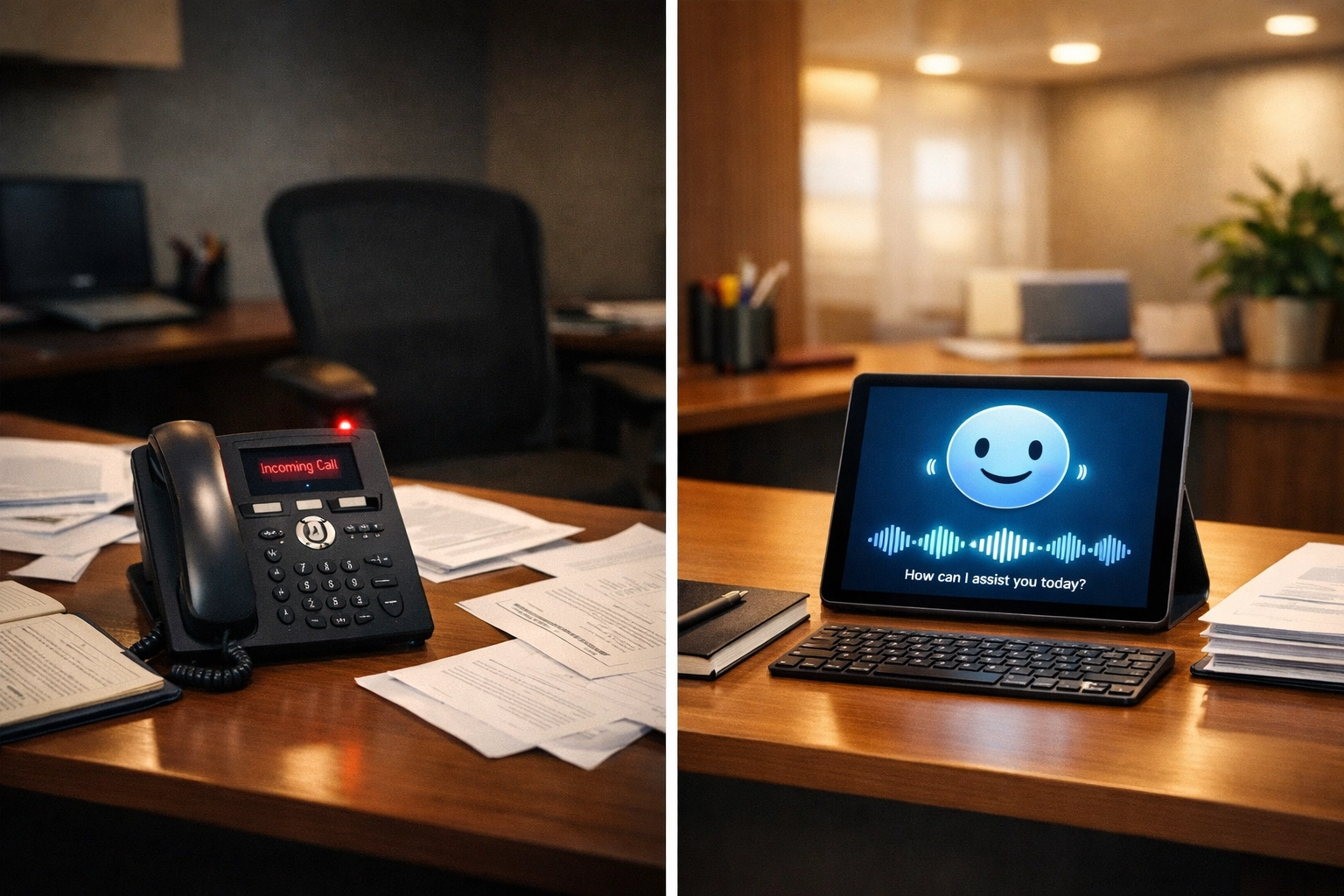
The phone rings once. The AI picks up with your firm's custom greeting. The caller explains they need help with a divorce. The AI asks qualifying questions – length of marriage, children involved, urgency level. It checks your calendar and offers available consultation times. The caller books a slot. A confirmation email hits their inbox immediately.
Total time: 90 seconds.
No hold music. No voicemail. No "we'll call you back."
The Psychology of Immediate Response
When someone calls during an emotional crisis – and yes, deciding to file for divorce is a crisis – they need validation that they've reached the right place. They need to feel like their problem matters.
An immediate answer provides that validation.
It says: "You're not alone. We're here. We're ready to help."
Compare that to voicemail, which says: "You're not important enough for us to prioritize right now. Maybe we'll get back to you."
Even a 30-second hold sends a subtle message that you're too busy for them. And when someone is already feeling vulnerable, that's all it takes for them to hang up and dial the next number.
A 24/7 answering service powered by AI eliminates that friction entirely. Every caller – whether they reach out at 2 PM or 2 AM – gets an instant, professional response.
Real-World Impact: The Numbers Don't Lie
One family law firm we work with was losing an estimated 40% of their inbound leads to unanswered calls. They didn't realize it because… how do you track what you never captured?
After implementing our AI voice receptionist, they saw:
- 78% increase in consultation bookings in the first month
- Zero missed calls during business hours or after hours
- Average response time: 0.8 seconds
But here's the kicker – they also noticed their average case value went up. Why? Because they were catching leads at their peak urgency, when they were most motivated to move forward quickly.
When you answer fast, you don't just get more clients. You get better clients.
How This Actually Works for Your Practice
Let's get practical. You're a family law attorney. You're thinking: "This sounds great, but can an AI really handle the nuance of a divorce consultation?"
Fair question.
The AI isn't replacing your legal expertise. It's replacing the administrative bottleneck that's preventing leads from ever reaching you in the first place.
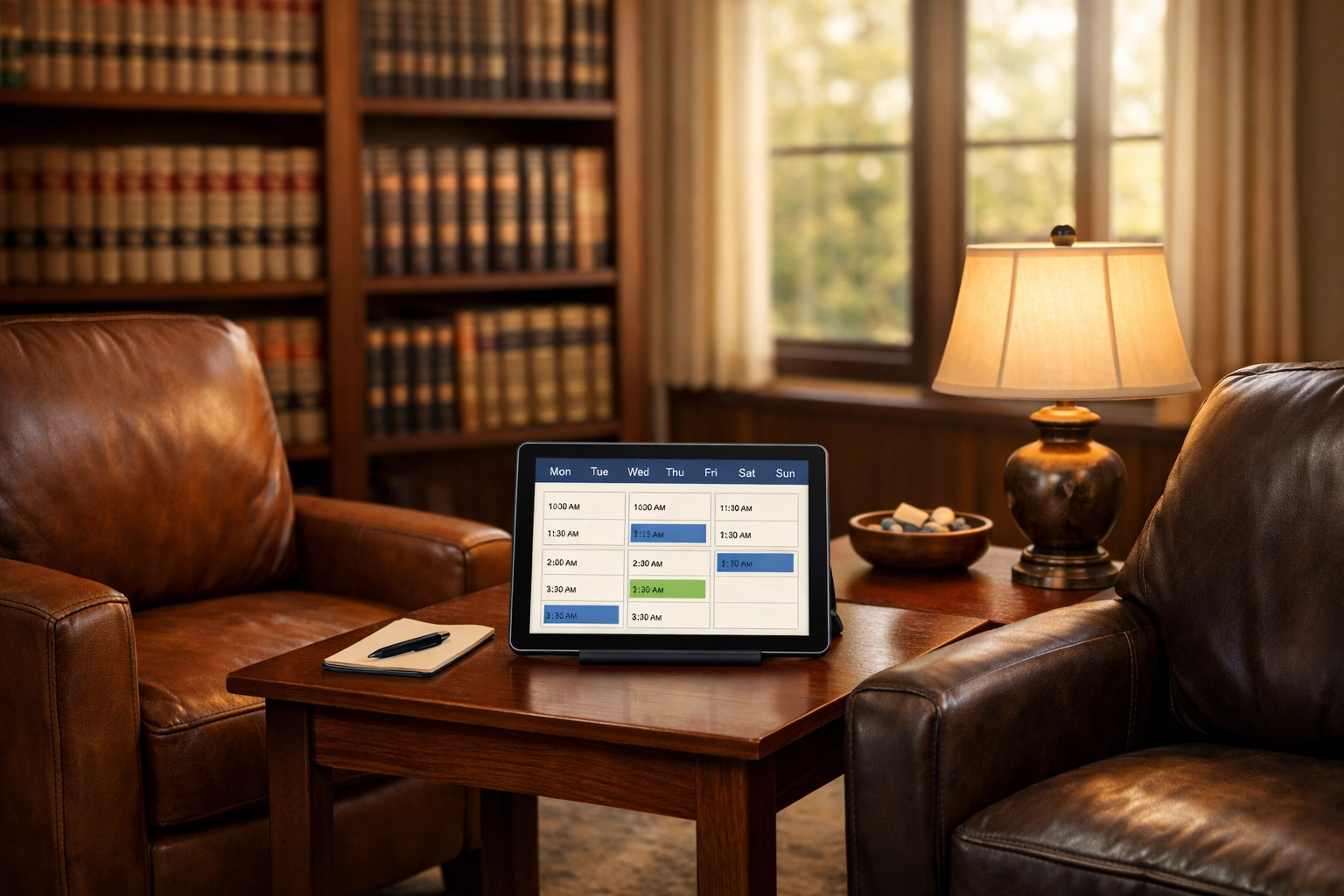
Here's what it handles:
- Initial greeting and rapport building – Warm, empathetic tone that puts callers at ease
- Basic intake questions – Name, contact info, type of case, urgency level
- Appointment scheduling – Syncs with your calendar and books consultations in real-time
- Follow-up confirmation – Sends email/SMS confirmation immediately
- After-hours coverage – Handles calls 24/7, weekends, holidays
What it doesn't handle:
- Legal advice (that's your job)
- Detailed case strategy (also your job)
- Building long-term client relationships (still your job)
Think of it as your always-on front door. It makes sure people can get inside. You take it from there.
The Competitive Advantage You're Not Using Yet
Here's what's wild – most family law firms still aren't using this technology. They're still relying on voicemail, or part-time receptionists, or outdated answering services that take messages.
That means if you implement this now, you have a massive head start.
While your competitors are checking voicemails and playing phone tag, you're already three steps ahead. You've qualified the lead, booked the consultation, and sent a follow-up – all before they even knew someone called.
That's not just faster. That's fundamentally different.
What Happens Next
In Part 3, we're tackling the big question everyone asks: "Can an AI receptionist really handle sensitive, emotional calls?"
Because let's be honest – divorce calls are heavy. People are hurting. They need empathy, not efficiency.
Can technology actually deliver both? We'll break down exactly how conversational AI is designed to handle these moments with the care they deserve.
For now, think about this: How many leads are slipping through your fingers right now because your phone isn't being answered fast enough?
The speed to lead game is real. And the firms that win it are the ones that are ready to answer – every single time.
Ready to stop losing leads to slower competitors? Explore how AI Voice Receptionist can transform your family law practice with instant, 24/7 call handling.