
It's 11:47 PM on a Thursday night. Your client just got served with emergency motion papers. The hearing is Monday morning. Your paralegal went home hours ago, and your front desk is dark.
This isn't a hypothetical scenario – it's the reality of running a litigation practice. And if you're also handling family law cases (restraining orders, emergency custody modifications, domestic violence petitions), these urgent calls don't follow business hours. They follow crisis hours.
Here's the truth: traditional answering services aren't built for legal emergencies. A generic message-taking service has no idea that "I just got served" means someone needs to talk to an attorney right now, not Monday morning when the office opens.
The Litigation Urgency Problem
When you're handling both family law and litigation matters, your phone system needs to be smarter than just picking up calls. It needs to understand context, recognize legal urgency, and route accordingly.
Think about what happens with a conventional law firm answering service. A process server calls at 7 PM on Friday to confirm service of a motion. The service takes a message. You get it Monday morning. By then, you've already lost precious prep time for a hearing that's happening in 72 hours.
Or worse – a client calls in panic mode because their ex-spouse just filed an emergency custody motion. The answering service logs it as "client called, seemed upset." No urgency flag. No immediate attorney notification. Just another message in the queue.
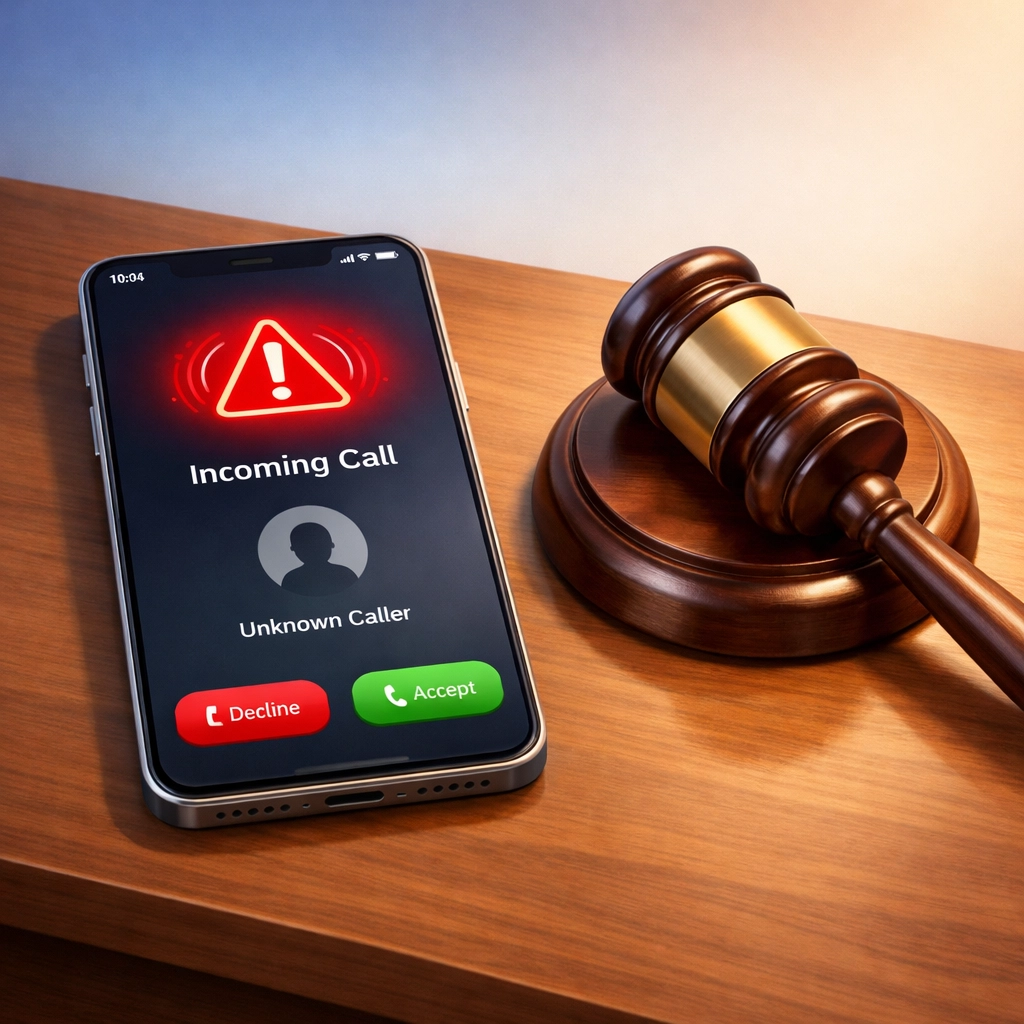
We're seeing litigation practices transform how they handle these critical moments with AI-powered phone systems that actually understand what "urgent" means in a legal context.
How AI Recognizes Legal Urgency
Modern ai receptionist technology isn't just transcribing words – it's analyzing context, detecting emotional cues, and recognizing legal terminology that signals immediate action is needed.
The system identifies urgency through multiple signals working simultaneously. When a caller uses phrases like "I was just served," "court date tomorrow," "arraignment," "restraining order," or "emergency motion," the AI immediately flags the call as high-priority. It's trained on thousands of legal intake scenarios, so it knows the difference between "I have a question about my divorce timeline" and "I need to talk to someone right now about this custody order."
But it goes beyond keywords. The AI uses sentiment detection and emotional analysis to identify distress, urgency, or panic in a caller's voice. Someone calling about being arrested sounds different than someone scheduling a consultation for next month – and the system picks up on that.
This matters enormously for family law practices handling litigation. Your clients facing emergency custody hearings aren't calm and collected. They're stressed, scared, and calling outside business hours. An automated phone answering service that can detect that emotional state and respond accordingly is transforming how firms provide client care.
The Immediate Escalation Process
Here's where things get really interesting. When the AI detects an urgent situation, it doesn't follow the standard intake protocol. It bypasses the queue entirely.
Instead of collecting information and creating a callback list, the system immediately triggers your firm's emergency escalation protocol. This might mean instant transfer to your on-call attorney, sending an urgent text alert to specific team members, or routing to your senior paralegal who handles emergency filings.

The AI simultaneously captures and organizes case information while escalating. Real-time transcription creates a structured case record – caller details, nature of the emergency, key facts, relevant dates. All of this syncs directly into your case management system, so when your attorney picks up (or calls back within minutes), they already have the essential information on screen.
For litigation practices, this speed makes all the difference. Service of process deadlines don't wait. Court filing cutoff times don't extend because your receptionist left at 5 PM. Emergency restraining order hearings get scheduled with 24-hour notice.
A 24/7 answering service with AI intelligence ensures these critical calls get handled appropriately, instantly, regardless of when they come in.
Real-World Litigation Scenarios
Let's walk through how this actually works in practice.
Scenario One: Process Server Confirmation
A process server calls Friday evening needing attorney confirmation that papers were properly served. Traditional answering service takes a message. AI system recognizes "process server" and "service confirmation" as urgent legal terminology, immediately routes to the attorney handling that case (based on caller ID matching and case recognition), and the attorney confirms service details in real-time. Affidavit gets filed before the weekend. Motion proceeds on schedule.
Scenario Two: Emergency Custody Motion
Your family law client calls Sunday afternoon. Their ex just served them with an emergency motion for full custody – hearing is Tuesday morning. They're panicking. The AI detects emotional distress and urgent terminology ("emergency motion," "hearing Tuesday," "served today"), immediately escalates to your on-call attorney, captures all essential details including case number and opposing counsel information, and creates a priority task in your case management system before the call even transfers.

Scenario Three: Arrest and Bail Hearing
A potential client calls at 2 AM. Their family member was just arrested and has a bail hearing at 8 AM. The AI recognizes "arrest," "bail hearing," and time-sensitive language, flags this as criminal defense urgent intake, routes to your criminal defense team's emergency line, and simultaneously sends intake forms via text so the caller can provide booking numbers and case details while you're preparing to take the call.
These aren't edge cases – they're regular occurrences for litigation practices. The difference is whether your phone system understands them as urgent or treats them like routine inquiries.
Integration Creates Competitive Advantage
The real power emerges when your ai receptionist connects seamlessly with your existing systems. When an urgent call comes in, the AI isn't just routing the call – it's updating your CRM, creating calendar alerts, sending attorney notifications, and preparing case files.
Integration with platforms like Clio, Filevine, and PracticePanther means your attorneys can start working on the urgent matter immediately. No manual data entry. No transcription delays. No information lost in translation between the answering service and your case files.
For litigation practices handling both family law and general litigation matters, this integration creates operational efficiency that traditional answering services simply can't match. Your team spends time practicing law, not chasing down message slips or trying to decipher handwritten notes about urgent matters.
The Results Speak for Themselves
Firms implementing AI-powered urgent call handling are reporting remarkable outcomes. 100% of calls get answered, including nights and weekends. Urgent cases receive attorney attention within minutes rather than hours or days. Intake forms and case documentation arrive instantly, enabling immediate action on time-sensitive matters.
But beyond the metrics, there's something more valuable – peace of mind. For your clients facing legal emergencies, knowing they can reach someone who understands the urgency of their situation creates trust and loyalty. For your attorneys, knowing that urgent matters get escalated immediately (and routine matters get handled appropriately) reduces stress and allows focus where it's needed most.

Connecting Back to Family Law Excellence
As we've discussed throughout this series, family law practices need communication systems that match the emotional intensity and time-sensitivity of the work. This is even more critical when your practice also handles litigation matters where court deadlines and procedural requirements create additional urgency layers.
An automated phone answering service powered by AI isn't about replacing human judgment – it's about ensuring that human judgment gets applied to the right situations at the right time. Your experienced attorneys focus on legal strategy for emergency motions and custody hearings. The AI ensures those attorneys get notified immediately when urgent situations arise.
The litigation landscape is demanding. Family law is emotionally charged. Combining both requires communication systems that can handle complexity, recognize urgency, and respond intelligently 24/7.
We're seeing the future of legal practice communication – and it's smarter, faster, and more responsive than ever before. For firms ready to handle urgent litigation calls with the sophistication they deserve, AI-powered systems are transforming what's possible.
Want to explore how an AI receptionist could handle your firm's urgent litigation calls? Check out our solutions and see how we're helping litigation and family law practices never miss a critical moment.